7 Warning Signs Your Car Needs a Mechanic (Before It Becomes a Big Repair)
Cars rarely fail out of nowhere. Almost every big repair bill we see at the workshop in Campbellfield started as something small: a light, a noise, a smell, a drip. Catch it early and it’s usually a simple fix. Ignore it and it has a way of turning into a tow truck on the Hume. Here are the seven signs we’d never ignore, what they usually mean, and whether you should keep driving.
1. Check engine or warning lights
A warning light is your car telling you it has logged a fault. The check engine light can mean anything from a loose fuel cap to a misfire or a failing sensor. Other lights cover brakes, oil pressure, charging, temperature and airbags.
Should you stop driving? If the light is red, or the check engine light is flashing, pull over safely and call us. A steady amber light usually means book in soon. Either way, a proper diagnostic check finds the actual cause rather than just clearing the code.
2. Squealing or grinding when braking
A high-pitched squeal often comes from wear indicators telling you the pads are getting low. Grinding usually means the pads are worn through and metal is contacting the rotor.
Should you stop driving? Squealing: book in soon. Grinding: stop driving as soon as it’s safe. Every kilometre damages the rotors further and reduces your stopping power. See our brake repairs page for what we check.
3. Steering pulling or shaking
If the car drifts to one side, the steering wheel shakes, or it feels loose, the cause could be tyre pressure, wheel alignment, worn steering or suspension parts, or a brake problem.
Should you stop driving? Check your tyre pressures first. If they’re fine and the problem continues, book in. A sudden, severe pull or heavy vibration is a stop-now sign.
4. Fluid leaks under the car
The colour gives you a clue. Brown or black is usually engine oil. Green, pink or orange is coolant. Red can be transmission or power steering fluid. Clear and watery is often just condensation from the air conditioning, which is normal.
Should you stop driving? Small oil spots: book in soon. Coolant leaks or anything that leaves a puddle: get it checked before driving far, because low coolant leads to overheating fast.
5. Strange smells (burning, sweet, rotten egg)
Your nose is a surprisingly good diagnostic tool.
- Burning oil or rubber can mean an oil leak onto hot exhaust parts or a slipping belt.
- A sweet, syrupy smell usually means coolant is leaking somewhere.
- Rotten egg often points to a catalytic converter or fuel system issue.
- Burning carpet or hot metal after heavy braking can indicate dragging brakes.
Should you stop driving? If you smell burning or see smoke, pull over and switch off. Other smells mean book in promptly.
6. Rough idle, stalling or hard starting
A car that shakes at the lights, stalls, or takes several attempts to start can have problems with ignition, fuel delivery, sensors, the battery or the charging system.
Should you stop driving? If it’s stalling while driving, that’s a safety risk, so get it in quickly. Hard starting is often a battery or starter on the way out, and they tend to fail at the worst time.
7. Clunks or knocks over bumps
Clunking over speed humps or rough roads usually points to worn suspension components: sway bar links, bushes, ball joints or shock absorbers.
Should you stop driving? Usually not immediately, but don’t leave it. Worn suspension affects braking, handling and tyre wear, and it’s a common reason cars fail a roadworthy.
Why small problems get expensive fast
Car problems compound. A worn brake pad becomes a damaged rotor. A small coolant leak becomes an overheated engine and a warped cylinder head. A failing wheel bearing takes out the hub. The repair you could have had for a couple of hundred dollars becomes a bill in the thousands, often with a tow on top. Getting a fault looked at early is almost always the cheapest option.
Book a diagnostic at Ignited Automotive
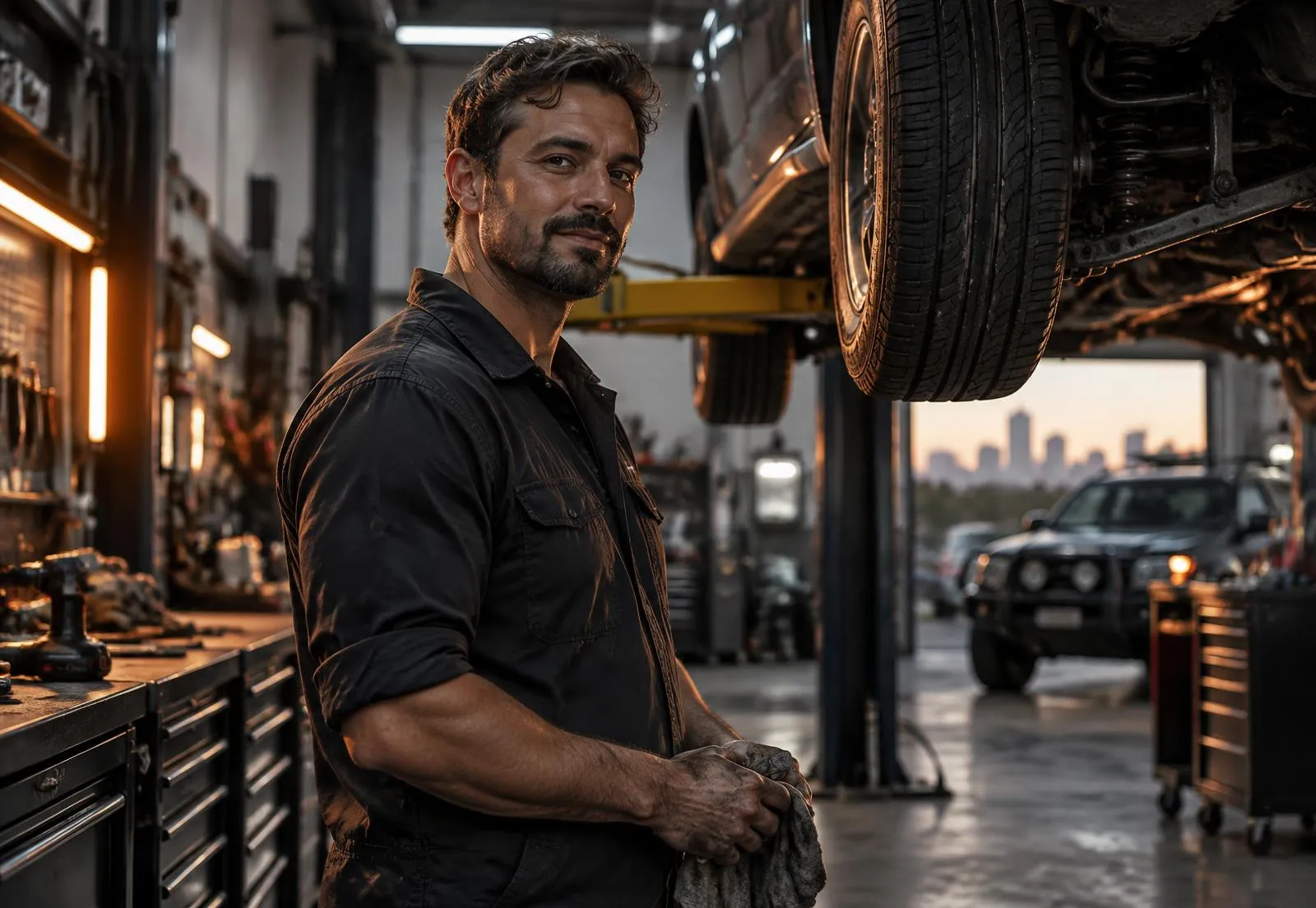
Matt doesn’t just read the code and start replacing parts. He tests the components and wiring until he finds the real cause, then explains it in plain English and gives you a price before anything is done. The diagnostic fee is credited to the repair when we do the work. More than one customer has come to us with a quote from elsewhere for the wrong fault and left paying a fraction of it.
Book with Ignited Automotive
Ready to sort it out? Call Matt on 03 9969 7608 or book online. We’re at 69A Capital Link Drive, Campbellfield, two minutes off the Hume, open Monday to Friday, 8am to 4:30pm.
Frequently asked questions
Is it safe to drive with the check engine light on?
If it’s steady and the car drives normally, it’s usually OK to drive to the workshop, but book in soon. If it’s flashing, or the car is running badly, pull over safely and call us, as continuing can cause expensive damage.
How much does a diagnostic check cost?
It depends on the fault and the time needed to trace it. Call us for a price. At Ignited Automotive the diagnostic fee is credited to the repair if we do the work.
How quickly can you look at my car in Campbellfield?
Call 03 9969 7608 and we’ll fit you in as soon as we can. For urgent safety issues like brakes, we’ll do our best to see you the same day.